

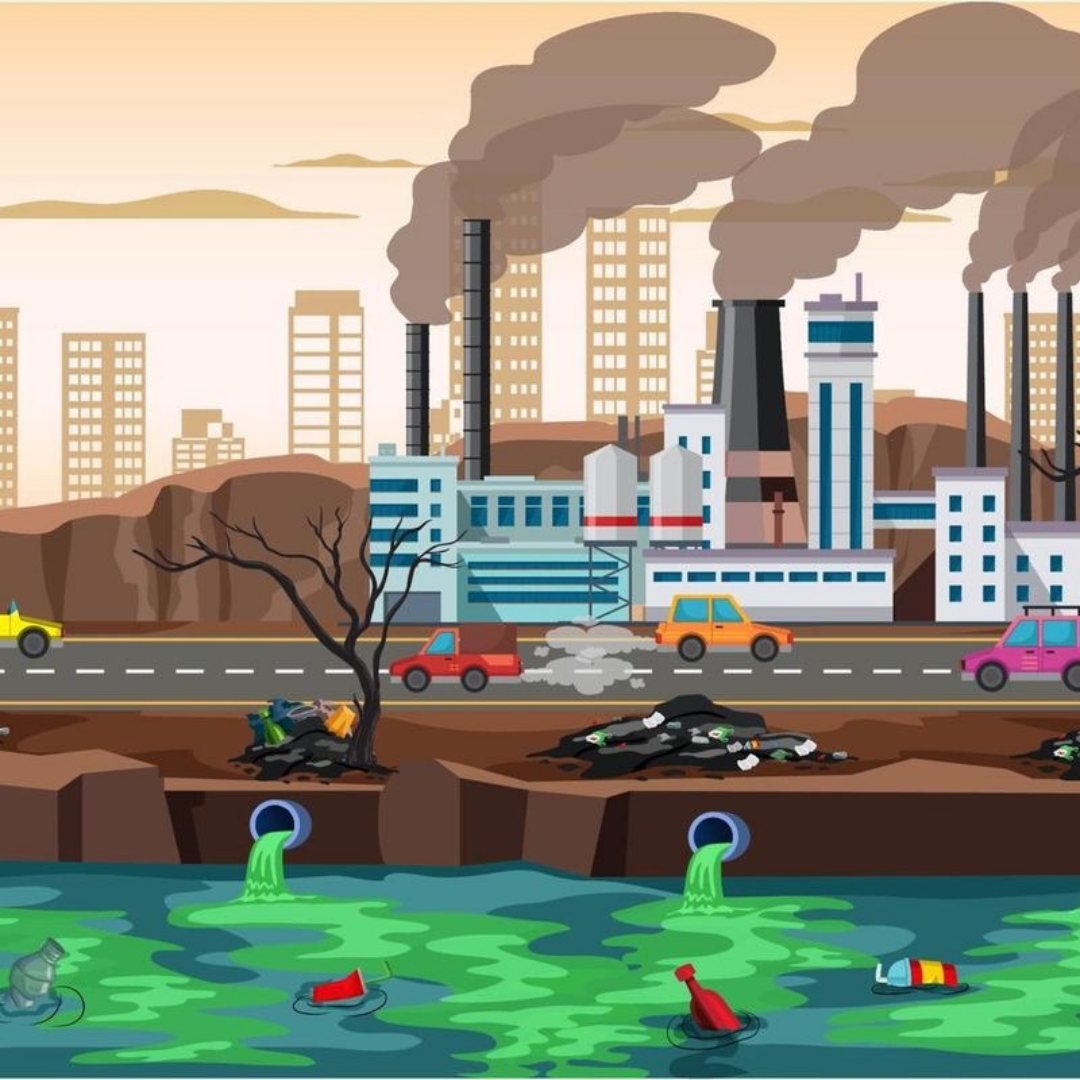
The five main types of pollution are:
- Air Pollution: This type of pollution occurs when harmful substances, such as particulate matter, ozone, sulfur dioxide, nitrogen oxides, and other pollutants, are released into the air. Common sources include industrial activities, vehicle emissions, and the burning of fossil fuels.
- Water Pollution: Water pollution involves the contamination of water bodies like rivers, lakes, oceans, and groundwater. It can result from the discharge of industrial effluents, agricultural runoff with pesticides and fertilizers, oil spills, and improper disposal of waste.
- Soil (Land) Pollution: Land pollution refers to the degradation of the Earth’s surface, primarily the soil. This pollution can result from the improper disposal of solid waste, industrial activities, use of pesticides and herbicides, and contamination from hazardous waste sites.
- Noise Pollution: Noise pollution is the presence of excessive, disturbing, or harmful noise levels in the environment. Sources of noise pollution include traffic, industrial machinery, construction activities, and loud music. Prolonged exposure to high levels of noise can have adverse effects on human health.
- Light Pollution: Light pollution is the excessive or misdirected artificial light in the environment, which interferes with natural darkness and can have negative impacts on ecosystems, wildlife, and human health. It is often caused by streetlights, outdoor lighting, and other sources of artificial illumination.
These types of pollution are interconnected, and their effects can have wide-ranging impacts on the environment, ecosystems, and human health. Efforts to mitigate pollution often involve regulatory measures, technological advancements, and changes in human behavior to reduce the release of harmful substances into the environment.